How Proper Installation Prevents Cracking and Settling
Hiring local contractors ensures proper installation techniques that prevent cracking and settling, resulting in a durable, long-lasting concrete driveway.
Proper installation is essential for ensuring the longevity and durability of a concrete driveway, especially in areas prone to shifting soil or temperature fluctuations. When a driveway is installed correctly, it minimizes the risk of cracking and settling by addressing factors such as soil preparation, proper grading, and the use of quality materials. Property owners who want to avoid costly repairs or uneven surfaces often explore how proper installation prevents cracking and settling, making it a practical concern for maintaining the value and safety of their property.
Local contractors skilled in concrete driveway installation understand the importance of these foundational steps and can implement techniques that help prevent common issues caused by improper setup. By choosing experienced service providers, property owners can help ensure their driveways are built to withstand environmental stresses and ground movement. Continuing to read can provide valuable insights into how professional installation practices contribute to a driveway that remains stable and attractive over time.
- Concrete driveway installation services are essential when homeowners want to ensure their driveway resists cracking and settling over time, with local contractors applying proper techniques.
- When uneven soil conditions threaten the stability of a driveway, local service providers focus on proper sub-base preparation to prevent future issues.
- For properties with existing cracks or settling problems, local pros can assess and implement correct installation methods to mitigate further damage.
- In areas with soil movement concerns, experienced contractors use appropriate reinforcement and joint placement to help prevent cracking and settling.
- Proper driveway installation by local service providers includes precise pouring and finishing techniques to promote long-lasting, crack-resistant concrete surfaces.


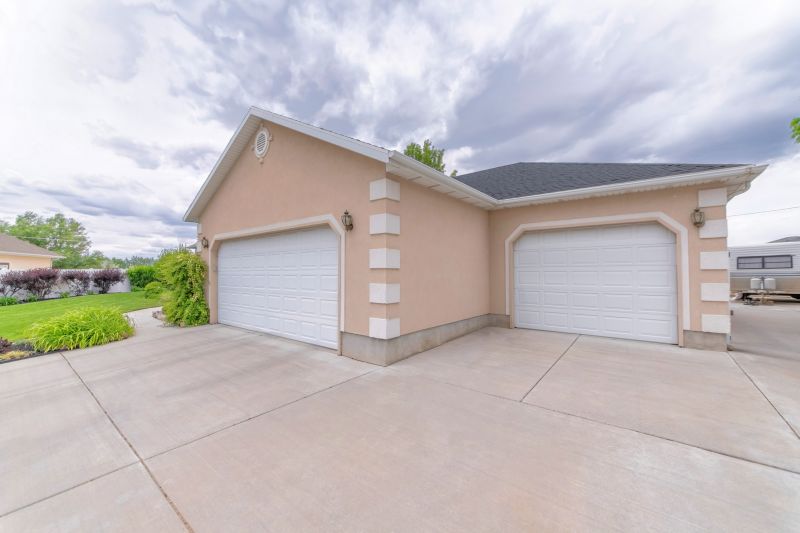
When homeowners search for information about how proper installation prevents cracking and settling, they are often looking to understand why their concrete driveway or patio may develop cracks or uneven surfaces over time. This concern typically arises after noticing visible damage or signs of shifting in existing concrete structures. The focus is on the importance of correct procedures during installation to ensure long-lasting results and to avoid costly repairs later. Proper installation involves careful planning, preparation, and execution, which can significantly reduce the chances of common issues like cracking, sinking, or uneven settling that can compromise both the appearance and functionality of a property’s concrete surfaces.
These problems are closely linked to the types of projects homeowners undertake, particularly driveway, sidewalk, or patio installations on residential properties. Cracking and settling often occur when concrete is not installed with adequate planning for soil conditions, drainage, or expansion and contraction caused by temperature changes. For property owners planning to improve their outdoor spaces, understanding how proper installation techniques address these factors can help prevent future damage. Local contractors who specialize in concrete work typically focus on these critical details, ensuring that the foundation is stable and that the concrete is placed with appropriate reinforcement and joint spacing to accommodate ground movement.
Properties that commonly come up in discussions about proper installation and preventing cracking include driveways, walkways, patios, and pool decks. These surfaces are exposed to regular use and environmental stressors, making them susceptible to damage if not installed correctly. For example, a driveway on a sloped lot or one built over poorly prepared soil is more likely to develop cracks or settle unevenly over time. Homeowners should consider the expertise of local service providers who understand how to evaluate soil conditions, set proper subgrade preparation, and apply the right finishing techniques to minimize future issues. Proper installation practices are essential for maintaining the structural integrity and appearance of these outdoor features.
Understanding how proper installation prevents cracking and settling helps homeowners make informed decisions when planning concrete projects. It highlights the importance of working with experienced local contractors who follow best practices for site preparation, reinforcement, and finishing. These professionals can assess the specific conditions of a property, such as soil stability and drainage, and adapt their methods accordingly. By prioritizing proper installation, property owners can reduce the risk of costly repairs, extend the lifespan of their concrete surfaces, and ensure their outdoor spaces remain safe and attractive for years to come. Connecting with knowledgeable service providers is a key step toward achieving durable, well-installed concrete features that stand the test of time.
Paving projects - local contractors specializing in paving understand soil preparation and proper slab placement, which are essential to prevent cracking and settling in driveways.
Foundation repair services - these experts focus on soil stability and drainage, skills that are directly applicable to ensuring a durable concrete driveway installation.
Concrete stamping and finishing - professionals in decorative concrete use precise techniques that help minimize surface cracks and ensure long-lasting results.
Landscape grading and drainage - local service providers who manage grading can help prevent water accumulation that causes settling issues in concrete surfaces.
Sidewalk and patio installation - these projects require similar planning and skill to ensure concrete stability and reduce the risk of future cracks.
Structural reinforcement services - specialists in reinforcing concrete help improve overall stability, preventing cracks related to settling and shifting.
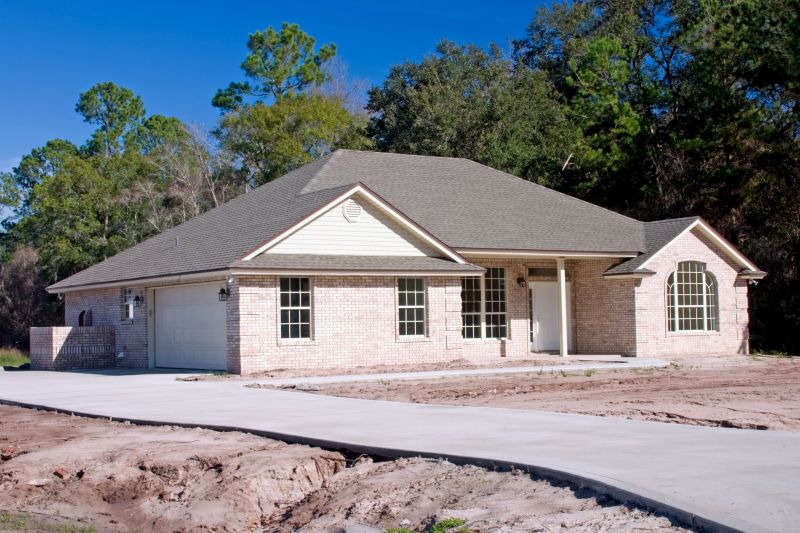
When evaluating service providers for concrete driveway installation, it is important to consider their experience with similar projects. Contractors who have a proven track record of working on driveways that require proper installation techniques are more likely to understand the nuances that prevent cracking and settling. Asking about past projects, viewing portfolios, or requesting references can help determine if a contractor has the relevant expertise needed to ensure a durable and well-installed driveway. An experienced contractor will be familiar with the specific challenges associated with driveway installation and can apply best practices to minimize future issues.
Clear written expectations are essential when comparing local contractors for concrete driveway installation. A detailed scope of work that outlines the responsibilities, materials, and techniques used can help ensure everyone is aligned on the project’s goals. This transparency allows homeowners to better understand how the contractor plans to address aspects that influence the longevity of the driveway, such as proper subgrade preparation, reinforcement, and joint placement. When expectations are clearly documented, it becomes easier to evaluate whether a service provider’s approach aligns with best practices for preventing cracking and settling.
Effective communication and reputable references are key indicators of a dependable service provider. Homeowners should seek out contractors who are willing to answer questions thoroughly and provide honest insights into their methods. Reputable references from previous clients can offer valuable perspectives on how well a contractor manages projects and whether their work has stood the test of time. Good communication ensures that homeowners stay informed throughout the process, which can help address concerns early and facilitate a smooth installation. Choosing a contractor with strong references and clear communication can increase the likelihood of a successful project that prioritizes the longevity and stability of the driveway.
Property owners often search for how proper installation prevents cracking and settling when they are planning practical projects around their homes and businesses. Local pros provide Concrete Driveway Installation services for everyday jobs and straightforward project options.
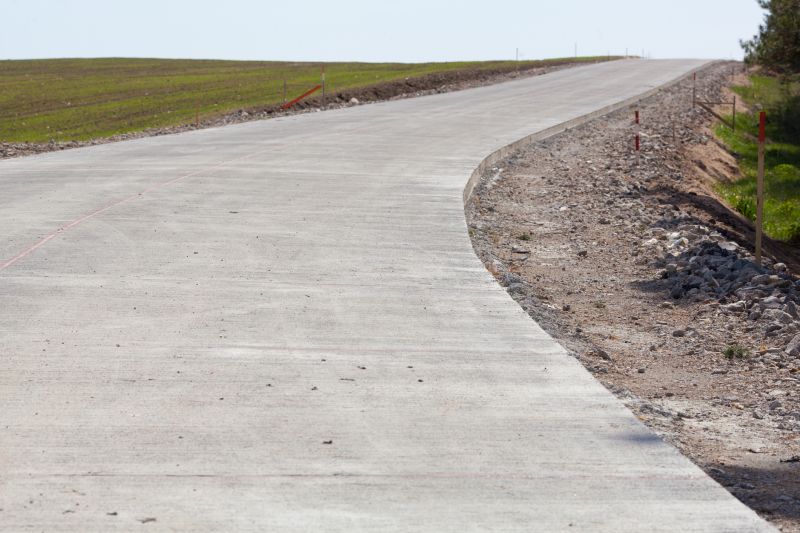

Proper installation plays a crucial role in preventing cracking and settling in concrete driveways, especially in areas with frequent temperature changes or shifting soil. When local contractors carefully prepare the base, ensure proper drainage, and use quality materials, they help create a stable foundation that can withstand daily stresses. This attention to detail reduces the likelihood of uneven settling or cracks forming over time, saving property owners from costly repairs and maintaining the driveway’s appearance and functionality.
For property owners considering concrete driveway installation, working with experienced local service providers can make a significant difference. These professionals understand the local soil conditions and climate factors that influence how concrete settles and cracks. By following proper installation techniques, they help ensure the driveway remains durable and smooth for years to come. Connecting with reputable local contractors can provide peace of mind that the project will be handled with the necessary expertise to prevent common issues associated with improper installation.
How does proper installation help prevent cracking in a concrete driveway? Proper installation ensures that the concrete is mixed, poured, and finished correctly, which helps minimize internal stresses that can lead to cracking. Local contractors follow best practices to achieve a uniform, well-compacted slab that resists movement and cracking over time.
What role does soil preparation play in preventing settling and unevenness? Soil preparation is crucial because it provides a stable foundation for the driveway. Local service providers typically compact the soil and add a suitable base material to reduce the risk of settling and uneven surfaces after installation.
How can proper joint placement prevent future cracking? Properly placed control joints allow the concrete to expand and contract with temperature changes, directing cracks along predetermined lines. Experienced local pros know where and how to install joints to effectively manage stress and prevent random cracking.
Why is the quality of materials important for preventing settling and cracking? Using high-quality concrete mixes with appropriate additives enhances durability and reduces the likelihood of cracking and settling. Local contractors select materials suited to local conditions to ensure a long-lasting driveway.
In what ways does proper finishing technique contribute to a crack-resistant driveway? Proper finishing smooths the surface and removes excess water, which helps the concrete cure evenly and reduces surface flaws. Skilled local service providers apply finishing techniques that promote a strong, crack-resistant driveway structure.
Proper subgrade preparation ensures the soil is stable and well-compacted, reducing the risk of uneven settling in the driveway.
Use of control joints allows the concrete to expand and contract safely, preventing cracks caused by natural movement.
Correct concrete mixing and placement help achieve uniform strength and reduce the likelihood of cracks developing over time.
Hiring experienced contractors ensures proper installation techniques are followed, significantly lowering the chances of cracking and settling issues.
If you are thinking about how proper installation prevents cracking and settling for a property, this guide is meant to help you understand this topic, the typical project types, and how different options might fit your plans.
When you are ready, you can use the quote form on this page to share a few details about your project. From there, local pros can review the basics and follow up with options that match what you have in mind.